
Protecting your home and belongings against the unexpected — with cover built around how you live, not just what you own.
Whether you’re arranging insurance for the first time or reviewing existing cover, we help make sure your insurance is set up correctly, suits your circumstances, and provides the protection you expect when it matters most.
We can give you advice on the right insurance for your home and lifestyle — with clear, quality cover, and a straightforward process from start to finish.
Protect the structure of your home
Buildings insurance covers the physical structure of your property — including walls, roof, floors, and permanent fixtures — against risks such as fire, flooding, and storm damage.
Protect your valued possessions
Contents insurance covers your personal belongings, furniture, appliances, and valuables if they’re damaged, destroyed, or stolen — both inside your home and, in some cases, outside it.
One policy, joined-up protection
Many people choose combined buildings and contents insurance for simplicity, consistent cover, and often better value — with everything protected under one policy.
There are quite a few things to think about when you consider taking out buildings and contents insurance, this list isn’t exhaustive but should get you on the way
Evidence of buildings insurance is required as part of the mortgage process, as lenders need confirmation that the property is adequately insured from the date you exchange contracts. This insurance does not need to be arranged through your lender or through ME Financial Services, but it must be in place to complete your mortgage. We can help you arrange suitable cover or review an existing policy to make sure it meets lender requirements and provides the right level of protection for your home.
Buildings insurance cover, limits, and optional features will vary depending on the insurer, property type, location, and individual circumstances. All cover is subject to underwriting, policy terms, conditions, and exclusions. We’ll help you understand what’s included, what isn’t, and ensure your policy is suitable for your home and situation before cover is put in place.
This is the amount available to rebuild your property from the ground up if it were completely destroyed. Policies are typically set to cover high rebuild limits — often up to £1 million — which is sufficient for most residential properties when calculated correctly. The aim is to ensure the full cost of rebuilding is covered, rather than the market value of your home.
In the event of a claim, an excess is the amount you contribute towards the cost of putting things right. Excess levels usually fall within a flexible range — commonly between £50 and £500, though this can vary depending on the type of claim. Choosing a higher excess can reduce your insurance premium, while a lower excess means less to pay if you need to claim. We’ll help you balance this based on your budget and how much risk you’re comfortable taking.
Buildings insurance usually covers permanent fixtures and fittings within the home, such as kitchens, bathrooms, built-in appliances, pipes, and fixed services. Cover often extends to damage caused to these items and may include protection for locks and keys, helping with replacement costs following loss, theft, or forced entry.
Policies commonly provide cover for damage caused by the escape of water or oil from fixed installations such as plumbing, heating systems, or domestic appliances. Many also include trace and access, which helps cover the cost of locating the source of a leak and repairing the affected area, not just the resulting damage.
Buildings insurance can often be enhanced with optional extras depending on your needs. These may include cover for gardens and outbuildings, access to home emergency services, or legal expenses cover. Optional extensions allow your policy to be tailored to how you use your home and the level of protection you want.
While contents insurance isn’t always a lender requirement in the same way buildings insurance is, it plays an important role in protecting your financial position. Replacing household belongings after loss or damage can be costly, and having suitable contents cover helps avoid unexpected financial strain — particularly following events such as fire, flood, or theft.
Contents insurance cover, limits, and features will vary depending on the insurer, property type, and individual circumstances. All policies are subject to underwriting, policy terms, conditions, and exclusions. We’ll help you understand what’s included, what isn’t, and ensure your cover is appropriate before it’s put in place.
This includes furniture, electrical items, clothing, and everyday household possessions. Policies are usually set with a total contents limit — often up to £75,000 or more for homeowners — which should reflect the realistic replacement cost of everything in your home, including items stored in lofts, garages, and cupboards. Tenants can usually select lower limits that better reflect their needs. We’ll help you estimate an appropriate level so you’re not under-insured or paying for cover you don’t need.
In the event of a claim, an excess applies — this is the amount you contribute towards the cost of replacing or repairing items. Excesses typically fall within a flexible range, commonly between £50 and £500, depending on the policy and type of claim. Choosing a higher excess can reduce your premium, while a lower excess means less to pay if you need to claim. We’ll help you strike the right balance based on your budget and comfort level.
Most contents policies include cover for valuables such as jewellery, watches, and collectibles, but these are usually subject to single-item limits or overall percentage caps. Higher-value items may need to be specified separately to ensure they’re fully covered, particularly if they’re taken outside the home. We’ll help you identify which items may need additional protection and explain how insurers define and treat valuables.
Contents insurance typically covers accidental damage to items such as TVs, audio-visual equipment, mirrors, and ceramic hobs, either as standard or as an optional extension. This can include sudden, unexpected damage caused by day-to-day living — not just major insured events like fire or flood. Optional accidental damage cover can broaden protection and is often worth considering in busy households or homes with children
Contents insurance can often be enhanced with optional features such as cover for business equipment used at home, freezer food cover, increased limits during special events (such as weddings or religious festivals), and home emergency assistance. These options allow your policy to reflect how you actually live, work, and use your home — rather than relying on a one-size-fits-all approach.
“The right insurance isn’t just about price — it’s about knowing your policy will do exactly what you expect when you need to claim.”
We provide straightforward insurance advice to help you arrange buildings, contents, landlord, and personal insurance that’s tailored to your needs — with clear explanations, quality cover, and policies designed to perform when it matters most
We give advice on comprehensive insurance policies that are 5-star rated by Defaqto, giving you confidence that your cover offers strong protection and good value — not just the cheapest headline price.
We take the time to understand your property, lifestyle, and priorities before recommending cover. That means your insurance is based on your circumstances, not assumptions — helping avoid gaps, unnecessary extras, or unsuitable policies.
We make arranging insurance quick and straightforward. In many cases, we can pre-populate details using trusted insurance databases, reducing paperwork and saving you time — while still ensuring everything is set up correctly
Still have questions and not sure where to turn? Feel free to contact ME for some straight forward advice based around you
Choosing the right protection can feel overwhelming at first. These FAQs cover some of the most common questions we’re asked, helping you understand how protection insurance works and what to consider before getting started.
No. You’re free to arrange insurance through any provider. Our role is to help you understand your options and, if you choose, arrange suitable cover that meets your needs and any lender requirements. We’re equally happy to review an existing policy to check it’s appropriate.
Yes. Most mortgage lenders require buildings insurance to be in place from exchange of contracts to protect the property. While it doesn’t need to be arranged through your lender or through us, evidence of suitable cover is required to complete your mortgage.
The level of cover depends on factors such as the rebuild cost of your property, the value of your belongings, and how your home is used. We’ll help you assess realistic sums insured to avoid underinsurance or paying for unnecessary cover.
Buildings insurance covers the structure of your home and permanent fixtures, such as walls, roofs, kitchens, and bathrooms. Contents insurance covers your personal belongings inside the home, including furniture, electronics, clothing, and valuables. Many people choose combined cover for simplicity.
Premiums are influenced by factors such as your property type, location, claims history, level of cover, excess chosen, and any optional extras. Choosing a higher excess can reduce premiums, while additional features may increase the cost.

One phone call can change the future of a business. A director doesn’t come in
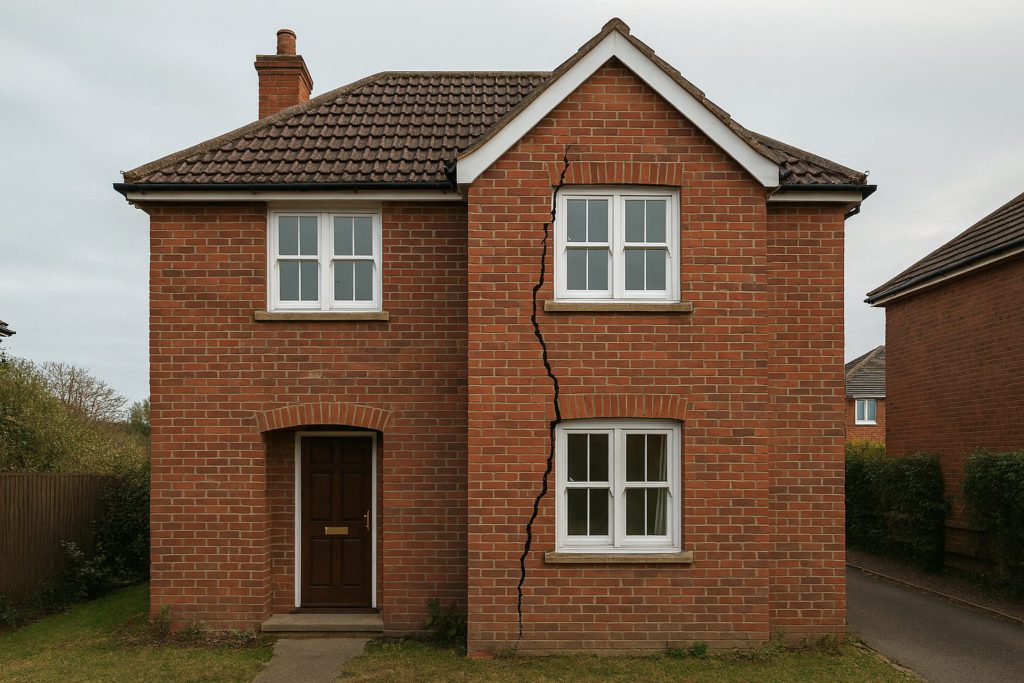
When it comes to protecting your home, it’s easy to be drawn in by the

When thinking about protecting your income, two of the most common options are Income Protection

When you move home — whether you’re upsizing, downsizing, or simply relocating — your mortgage

For many working adults aged 25–50 — especially first‑time buyers, home movers, busy professionals and

Why Do You Need a Mortgage Broker to Find a Mortgage? Finding the right mortgage

Most mortgage problems don’t appear at the application stage — they develop quietly in the

A Guide to Joint Borrower Sole Proprietor (JBSP) Mortgages Buying a home can feel out
First Time Buyers AIP Explained As a first time buyer you may have come across

How to reduce your household outgoings At ME we speak to a lot of clients