
Protecting your rental property, income, and investment with landlord insurance designed for real-world letting risks.
Owning a rental property brings additional responsibilities and risks. Landlords insurance is designed to protect your building, contents, and rental income against events that could otherwise result in costly repairs, lost rent, or legal expenses. The right policy helps keep your investment secure — even when the unexpected happens.
Straightforward advice to help you arrange the right cover for your rental property
Landlord Buildings Insurance
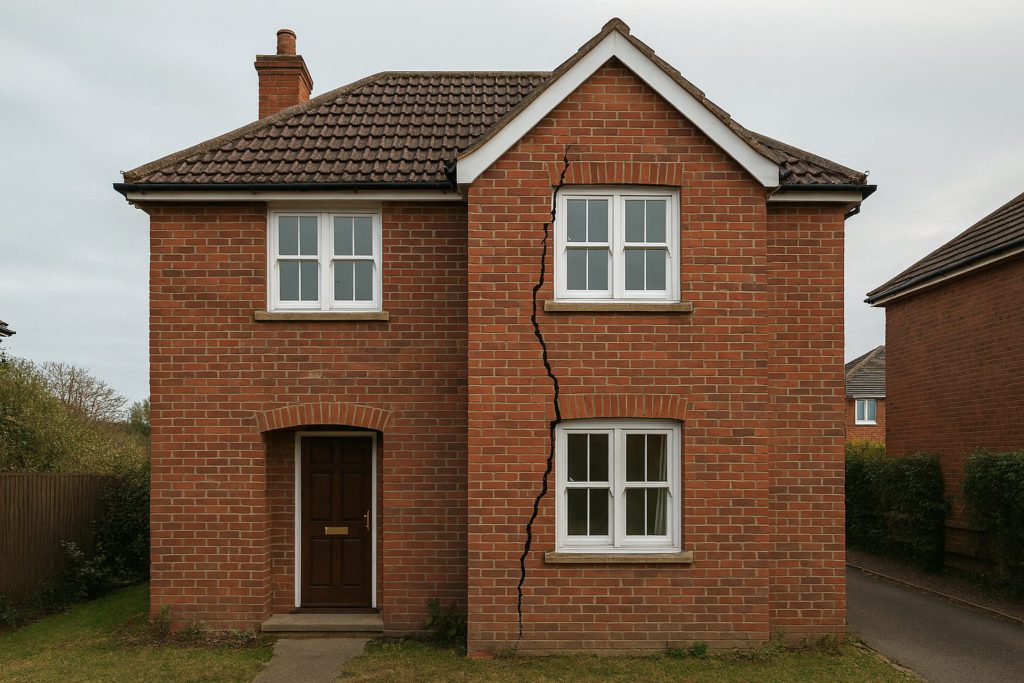
Landlords insurance helps cover the structure of your rental property against insured events such as fire, flood, escape of water, and storm damage. Policies are typically set to cover the full rebuild cost of the property, helping ensure your investment can be repaired or rebuilt if the worst happens.
Have the right cover for your rental property
Letting a property introduces risks that standard home insurance may not cover. Landlords insurance can include protection for tenant-related risks, periods of unoccupancy, accidental damage, and legal or liability issues arising from renting your property.
Choose the options your require for the risks you take
Optional covers can help protect against financial disruption, such as loss of rent following an insured event or landlord emergency cover to deal with urgent issues quickly — helping minimise downtime and unexpected costs.
Understanding how landlord insurance protects your property, income, and responsibilities as a landlord
Landlord insurance policies, cover limits, and optional features vary depending on the property type, tenancy arrangement, and individual circumstances. It’s important that your needs are properly assessed to ensure the policy is suitable for how the property is owned and let.
Using the wrong type of insurance can cause problems. Standard residential home insurance is often not suitable for rental properties, and this may invalidate a claim. In some cases, not having appropriate landlord insurance in place can also breach buy-to-let mortgage conditions.
Accurate disclosure is essential. Factors such as tenant type, occupancy, previous claims, and how the property is used can all affect cover and claims. We’ll guide you through this to help ensure your policy reflects your situation correctly and provides the protection you expect.
Landlords insurance typically includes buildings cover based on the rebuild cost of the property, rather than its market value. We can offer policies with rebuild limits of up to £1 million as standard, which will be sufficient for most residential properties. Cover usually includes permanent fixtures and fittings, such as kitchens, bathrooms, built-in appliances, pipes, and fixed services.
Whether your rental property is furnished or unfurnished, contents cover can be arranged to protect landlord-owned items within the property. Cover limits are flexible and typically range from £10,000 to £50,000, depending on the level of contents and your individual requirements.
Landlord insurance can provide cover for damage caused by the escape of water or oil from fixed installations, such as plumbing, heating systems, or domestic appliances. Many policies also include trace and access, which helps cover the cost of locating and repairing the source of a leak — not just the resulting damage. This cover may apply to both buildings and contents, depending on the policy structure.
Landlord insurance can provide cover for damage caused by the escape of water or oil from fixed installations, such as plumbing, heating systems, or domestic appliances. Many policies also include trace and access, which helps cover the cost of locating and repairing the source of a leak — not just the resulting damage. This cover may apply to both buildings and contents, depending on the policy structure.
Additional rent protection cover may be available, designed to help protect your rental income if tenants fall into arrears. This typically becomes payable once the tenant is at least one full month in arrears, with payments often capped at up to £2,500 per month, subject to policy terms and conditions.
“When you’ve invested time, money, and effort into a rental property, having the right protection in place gives you peace of mind.”
Landlord insurance isn’t just about meeting a requirement. It’s about having the right cover in place if something goes wrong, protecting your rental income, and avoiding surprises at claim stage. We focus on policies that do what you expect them to do — not just the cheapest option.
We recommend policies rated 5-Star by Defaqto, so you can be confident you’re getting comprehensive, good-value landlord insurance with strong core benefits and optional extras where needed.
Every rental property is different. We take the time to understand how your property is let — including tenant type, occupancy, and mortgage requirements — to ensure the cover is suitable and compliant.
We make arranging landlord insurance quick and straightforward. In most cases, we can pre-populate details using insurance databases, reducing paperwork and helping you get cover in place efficiently.
Still have questions and not sure where to turn? Feel free to contact ME for some straight forward advice based around you
Finding the right Landlord Insurance can feel overwhelming at first. These FAQs cover some of the most common questions we’re asked, helping you understand how this cover works and what to consider before getting started.
Landlord insurance is required if you rent out a property. Standard residential home insurance is usually not suitable for rental properties and may not provide cover if the property is let. Most buy-to-let mortgage lenders also require appropriate buildings insurance to be in place.
Yes. While landlord insurance includes buildings cover, it’s specifically designed for rental properties. It can include protection for risks linked to letting, such as tenant-related damage, periods of unoccupancy, and optional cover for loss of rent or legal expenses.
Some policies offer optional rent protection or loss of rent cover following an insured event that makes the property uninhabitable. We have access to policies that can cover up to £2,500 per month lost rent. This cover varies by insurer and is subject to specific terms, limits, and conditions.
Insurers will usually need details about the property, tenancy type, occupancy, previous claims, and any mortgage requirements. We’ll guide you through this to make sure the policy is set up correctly.
Some insurers can provide cover for HMOs or properties owned through limited companies, but terms may differ. It’s important these details are disclosed so suitable cover can be arranged.

One phone call can change the future of a business. A director doesn’t come in
When it comes to protecting your home, it’s easy to be drawn in by the

When thinking about protecting your income, two of the most common options are Income Protection

When you move home — whether you’re upsizing, downsizing, or simply relocating — your mortgage

For many working adults aged 25–50 — especially first‑time buyers, home movers, busy professionals and

Why Do You Need a Mortgage Broker to Find a Mortgage? Finding the right mortgage

Most mortgage problems don’t appear at the application stage — they develop quietly in the

A Guide to Joint Borrower Sole Proprietor (JBSP) Mortgages Buying a home can feel out

First Time Buyers AIP Explained As a first time buyer you may have come across

How to reduce your household outgoings At ME we speak to a lot of clients